Spray Foam vs. Fiberglass Insulation: Which Is Best for Minnesota Homes in 2026?
Choosing between spray foam and fiberglass is one of the most important insulation decisions a Minnesota homeowner can make. Minnesota sits in IECC Climate Zone 6, where winter temperatures can drop well below zero. Getting this decision right directly affects your comfort, energy bills, and long-term home health.
How Do the Two Insulation Types Compare?
Both materials can meet Minnesota's code requirements, but they reach that bar differently. Here is a side-by-side look at the factors that matter most for homes in and around Bloomington, MN.
Which Is Better for Minnesota's Climate Zone 6?
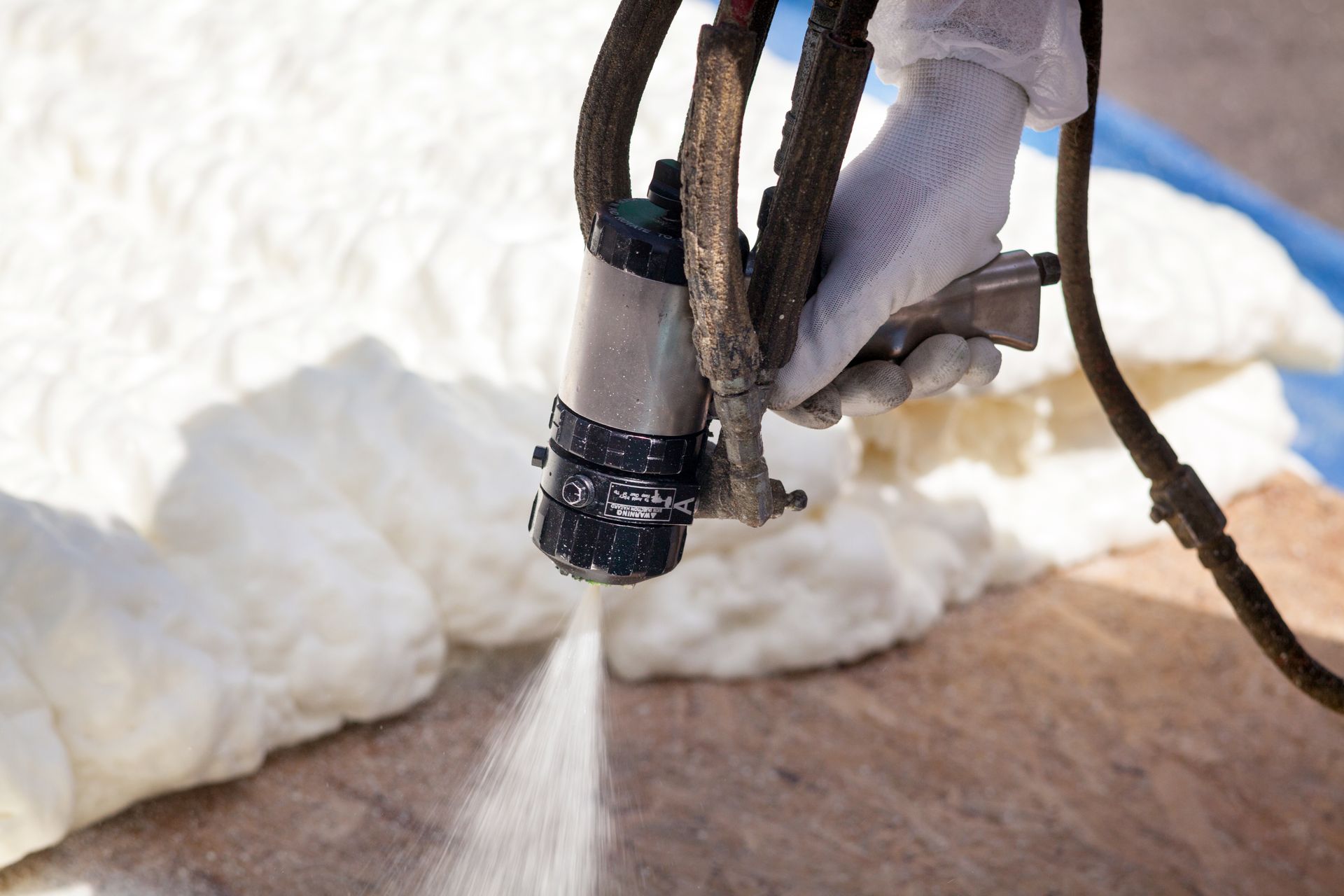
Spray foam often has the edge in cold-climate performance. Minnesota's code requires attic insulation of at least R-49, and many energy professionals recommend R-60 for vaulted or cathedral ceilings. Closed-cell spray foam delivers roughly twice the R-value per inch compared to fiberglass batts, making it a strong fit for tight attic spaces common in older Bloomington-area homes.
Air Sealing and Ice Dam Prevention
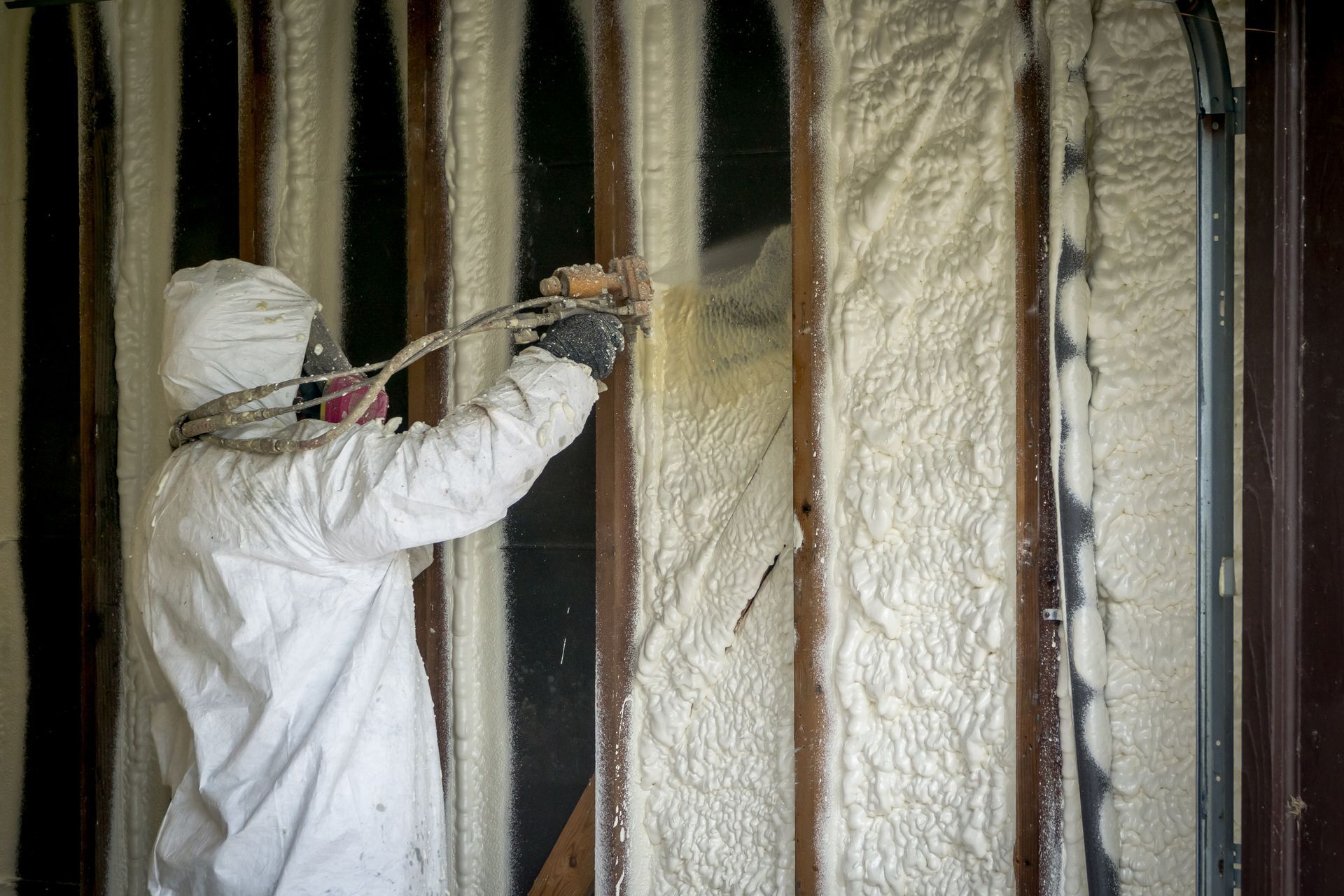
Proper air sealing may reduce ice dam risk more than insulation depth alone. When warm interior air leaks into the attic, it heats the roof deck unevenly, melting snow that refreezes at the eaves and forms an ice dam. Spray foam seals and insulates in one application. Fiberglass slows heat transfer but does not stop air movement on its own, so a separate air-sealing step is required for the same protection.
Moisture Control in Crawlspaces
Crawlspaces and rim joists are especially vulnerable in Minnesota winters. Closed-cell spray foam acts as a vapor barrier, resisting moisture in these high-risk zones. Fiberglass can hold moisture when wet, reducing thermal performance over time and creating conditions favorable to mold.
Where Does Fiberglass Still Make Sense?
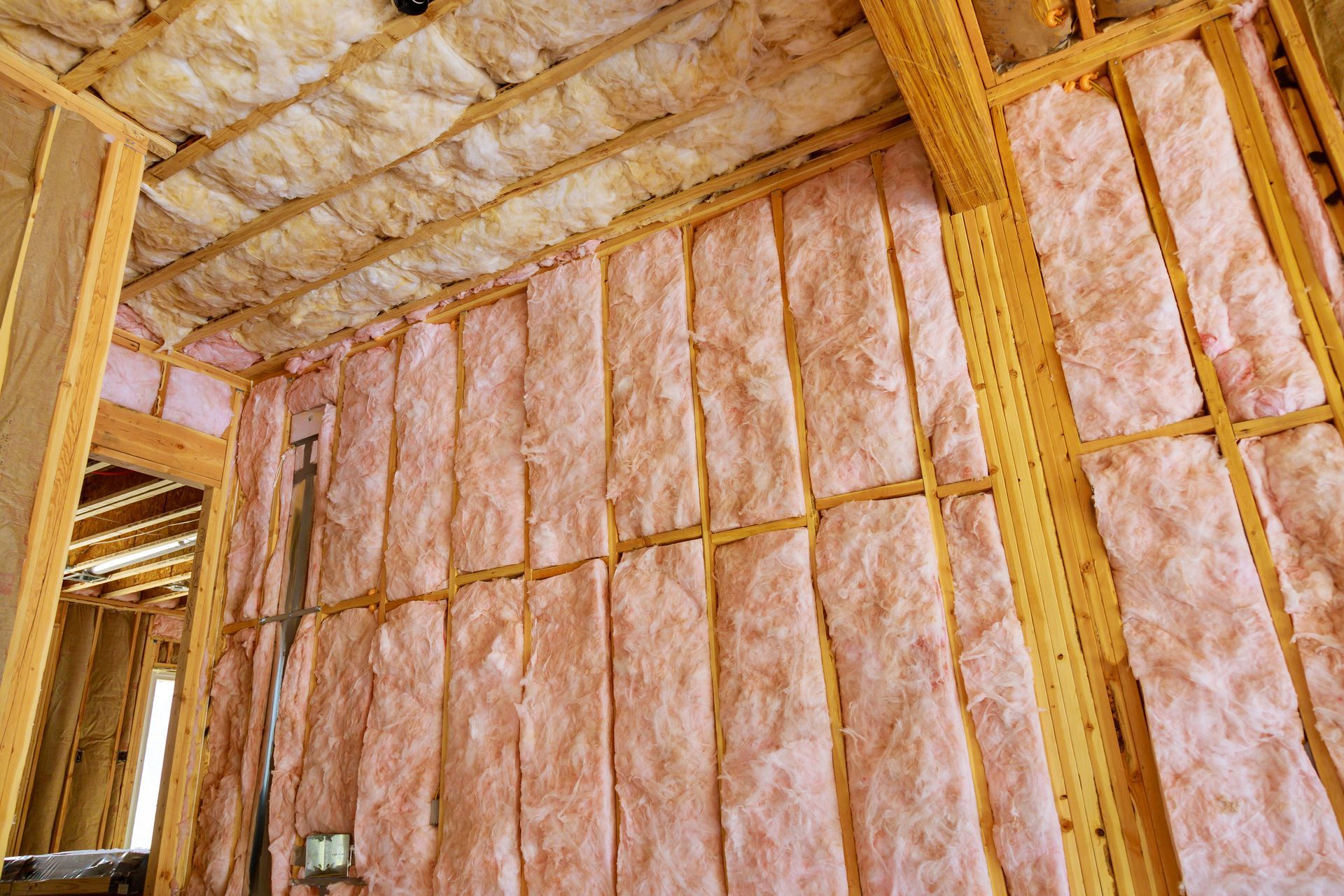
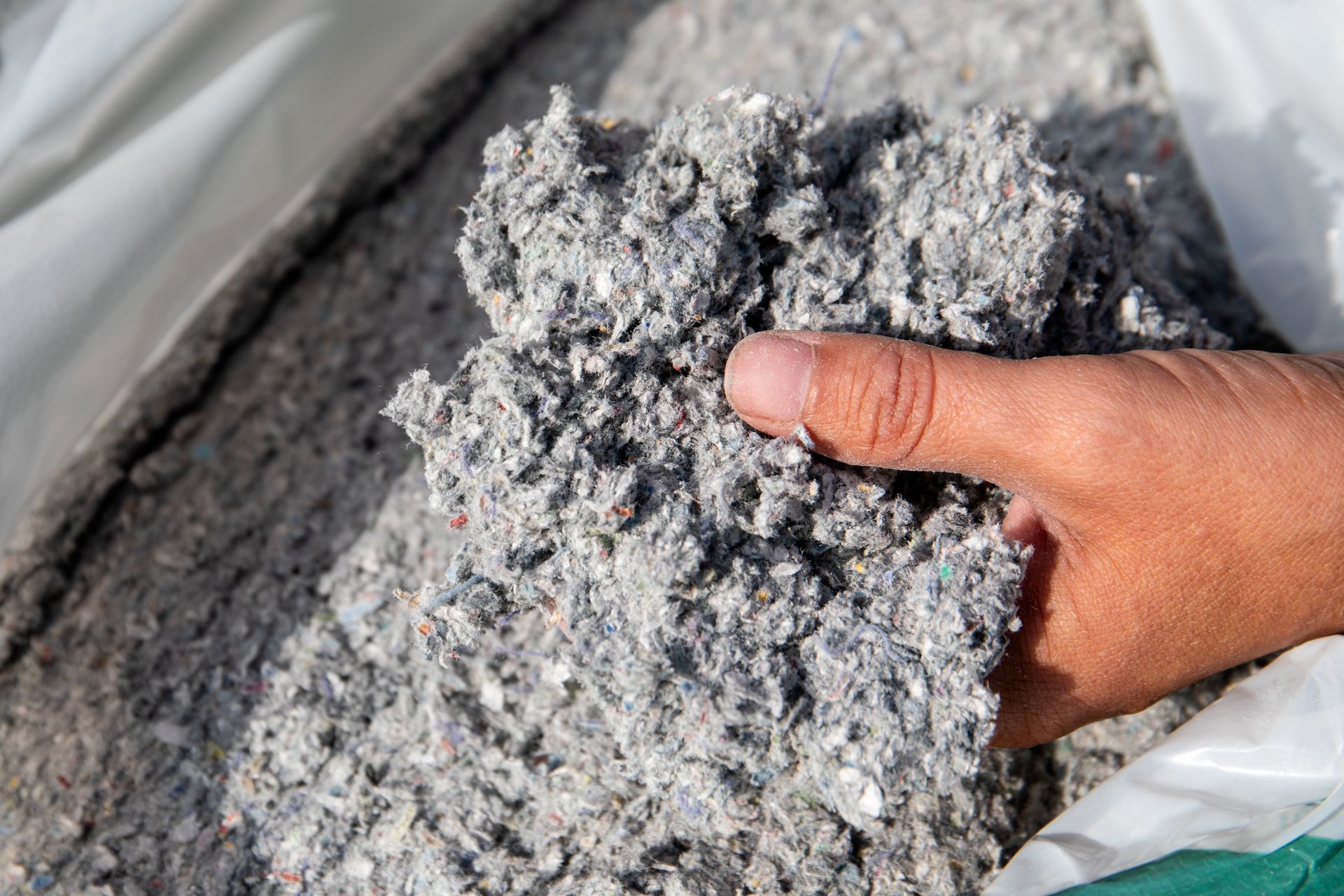
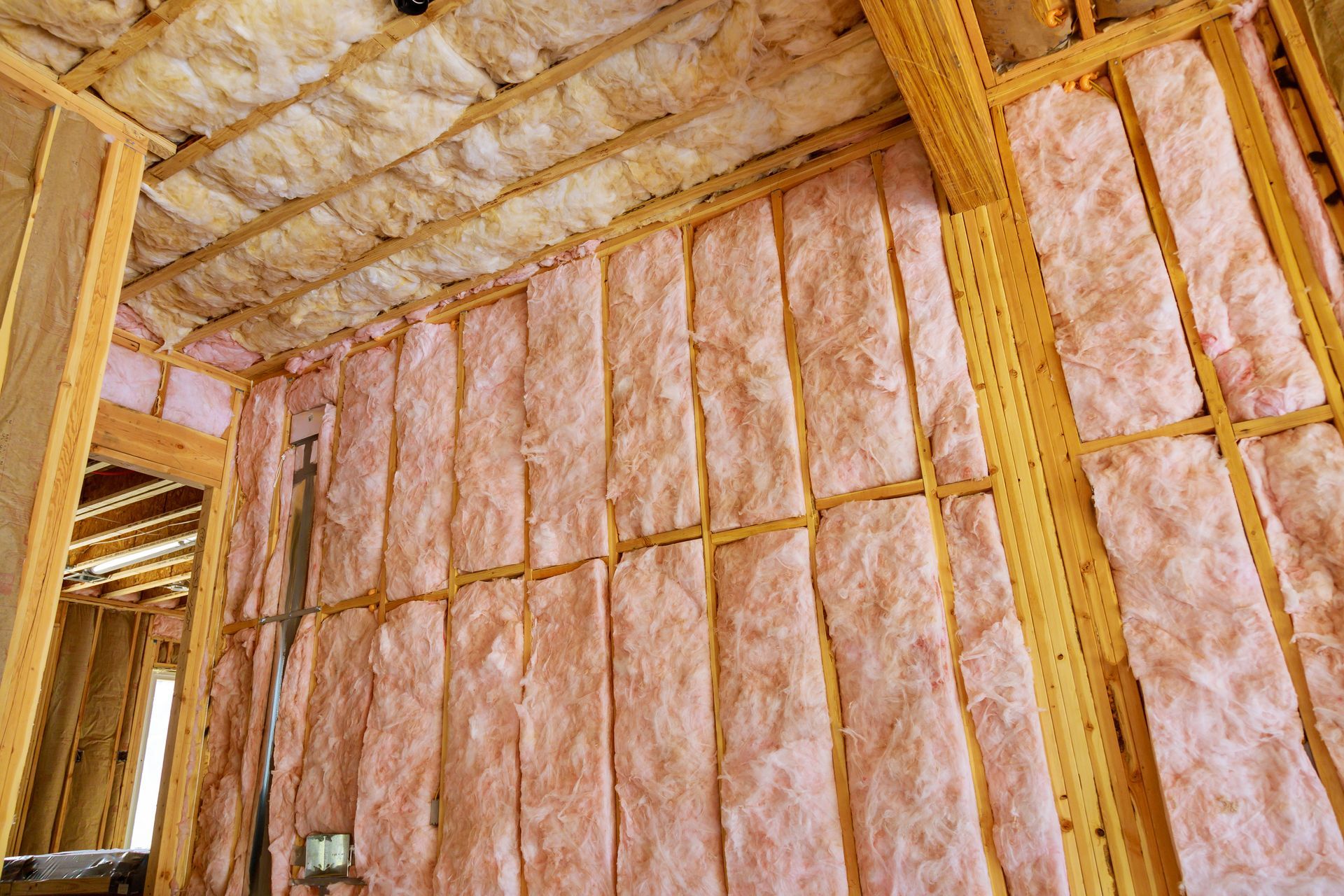
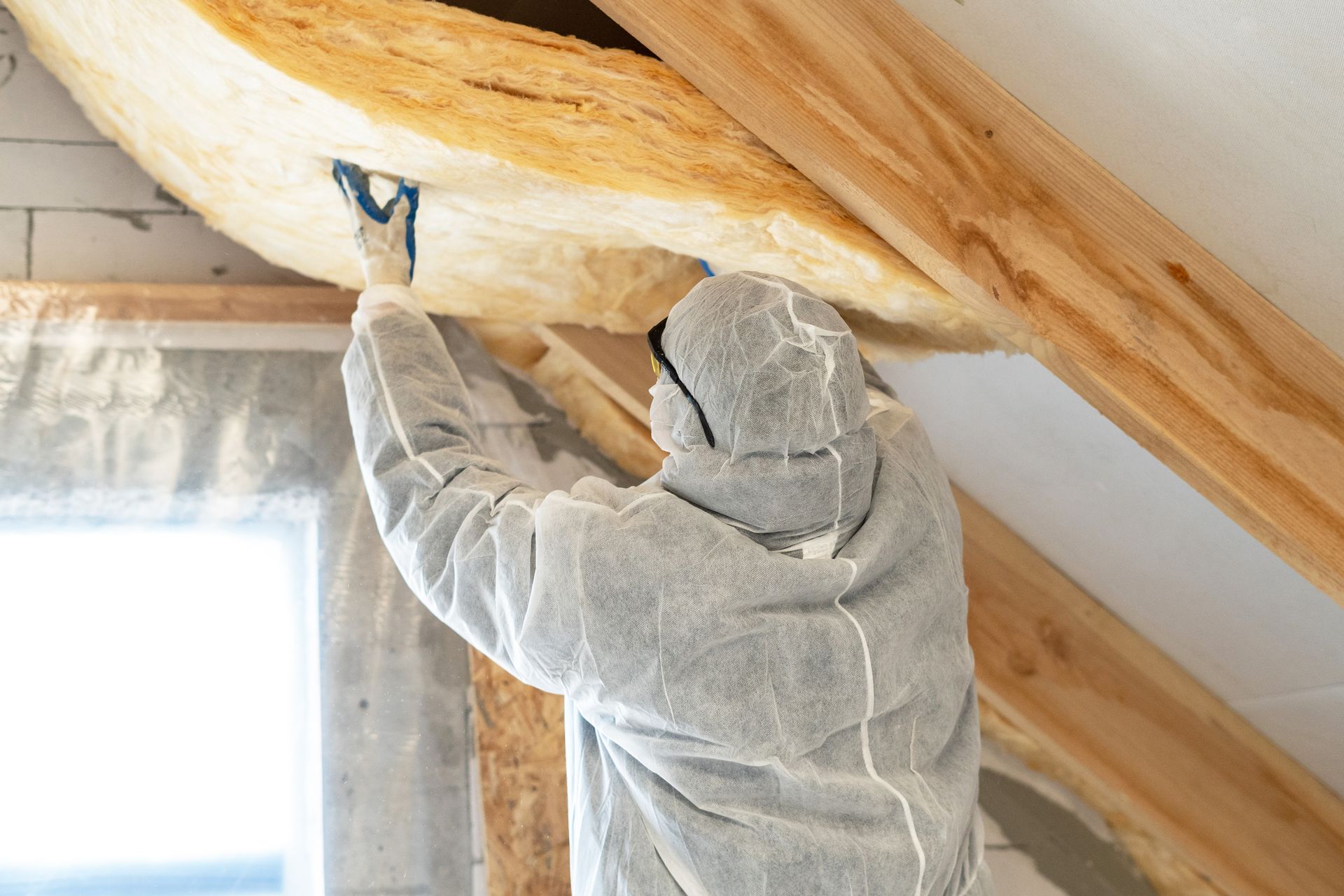
Fiberglass remains a practical, cost-effective option. It works well in open wall cavities during new construction or gut renovations, and blown-in fiberglass can bring an accessible attic to R-49 or beyond without major disruption. Many Bloomington, MN, homeowners find that combining a spray foam insulation service at key air-leakage points with blown-in fiberglass across the broader attic field offers the best balance of performance and value.
- Tight or vaulted attic: Closed-cell spray foam achieves high R-values where depth is limited.
- Open attic with good headroom: Blown-in fiberglass can reach code at a lower cost.
- Crawlspace and rim joists: Closed-cell spray foam provides insulation and moisture control.
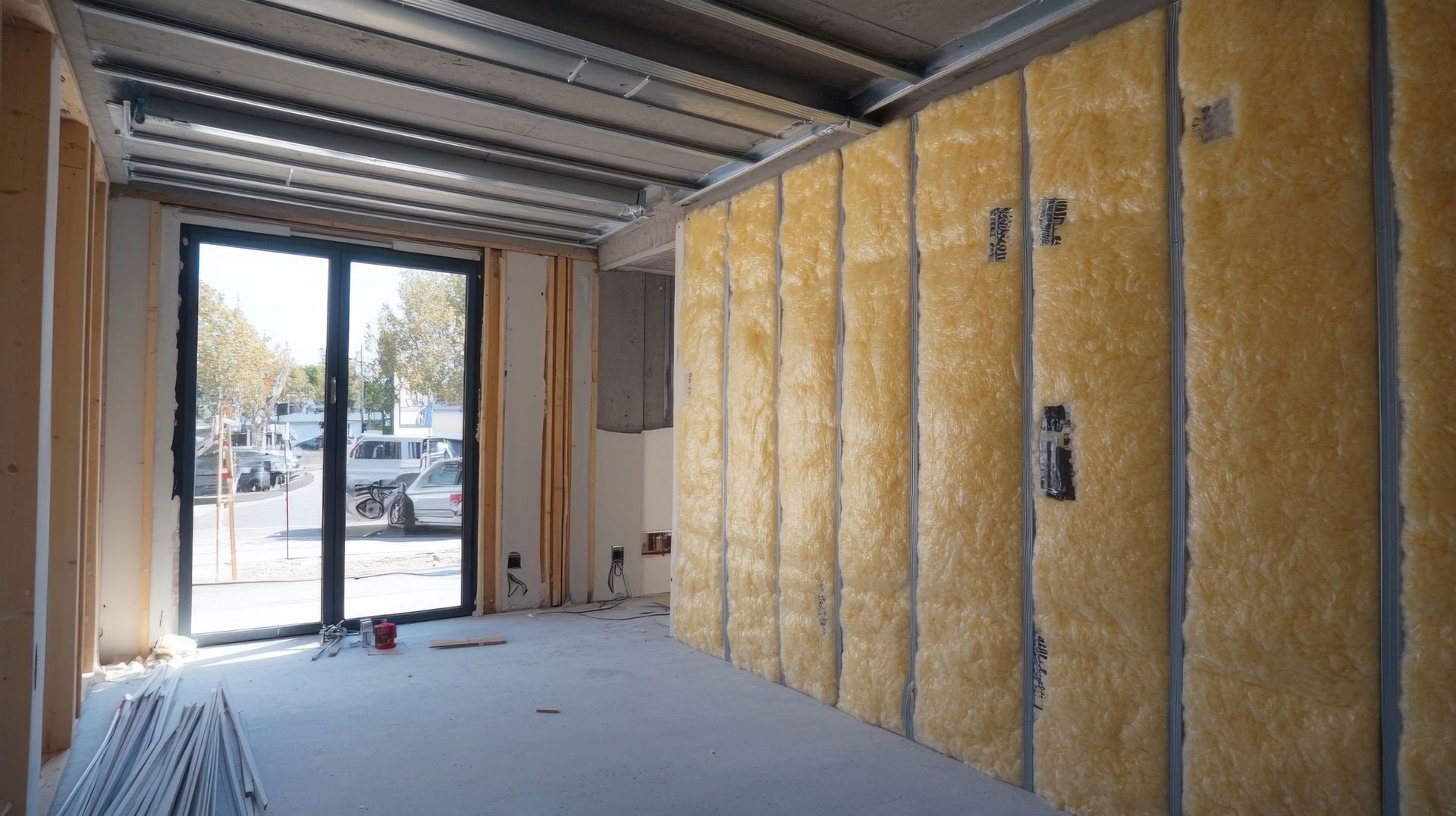
- Open wall studs during remodel: Fiberglass batts reach R-21 as required by Minnesota code.
Get a Free Estimate for Your Bloomington-Area Home
The right choice depends on your home's age, layout, and budget.
Gunner Roofing Contractors serves Bloomington, MN, and the surrounding Twin Cities metro with professional insulation solutions for new builds and existing homes. The team offers a
spray foam insulation service and
fiberglass insulation options so you get the right fit for your situation. Call
(763) 355-5460 or request a free quote online to take the first step toward a warmer, more efficient home this year.